
The Parts That Actually Fail
Commercial refrigeration failures cluster around a short list of components. Knowing that list is useful whether you are diagnosing a problem, stocking a maintenance kit, or trying to understand a repair quote.
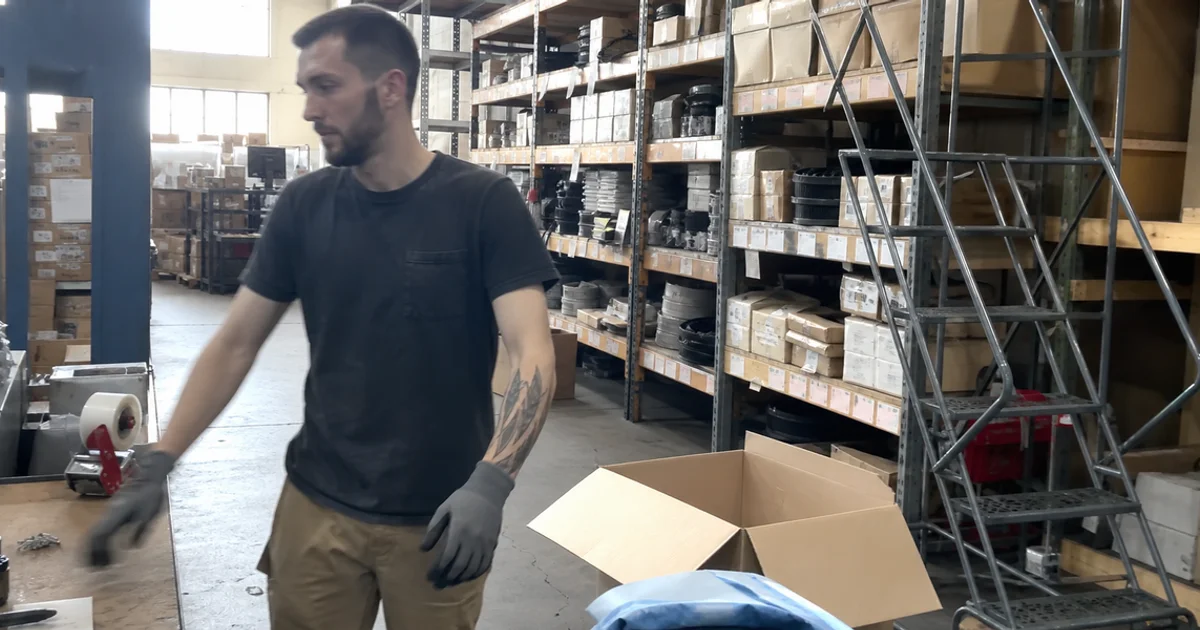
Our refrigeration parts and water filters counter stocks these specifically because they account for the majority of what our technicians replace.
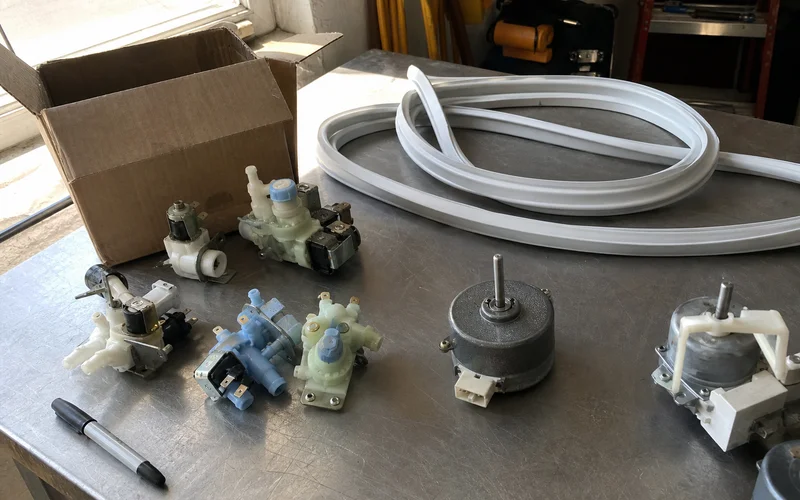
Evaporator fan motors. They run continuously in a cold, damp environment, which is hard on bearings. When one seizes, airflow across the coil stops and the box warms even though the refrigeration system is working perfectly.
Door gaskets. They flatten, tear, and lose their seal. The result is warm humid air entering constantly, which loads the system, ices the coil, and shortens compressor life. The single highest-return maintenance part in commercial refrigeration.
Contactors and relays. Electromechanical parts with finite cycle life. Inexpensive, they fail regularly, and they take whole systems down when they do.
Solenoid valves. Liquid line solenoids, hot gas valves, water inlet valves on ice machines. They stick, they burn out coils, and they fail in either position.
Thermal expansion valves. They lose control of superheat gradually rather than failing outright, which means the box holds a few degrees warm for weeks while the compressor runs far longer than it should.
Temperature controllers and sensors. They drift. A defrost termination sensor out of calibration will ice a coil solid over a couple of weeks.
Defrost heaters and timers. Failed heaters mean the coil never clears. Stuck timers mean it never defrosts or never stops.
Compressors. The expensive one. Usually the end result of something else being ignored: a blocked condenser, a chronic leak, or short cycling from a control fault.
Symptom to Part
| What you observe | Component to suspect |
|---|---|
| Box warm, compressor running, coil iced | Defrost heater, sensor, or timer |
| Box warm, no airflow inside | Evaporator fan motor |
| Nothing runs at all | Contactor, relay, breaker |
| Constant runtime, frost around door | Door gasket |
| Slow drift a few degrees warm | TXV, low charge, dirty condenser |
| Ice machine, no water entering | Water inlet solenoid |
| Compressor starts and stops rapidly | Control fault, dirty condenser, low charge |
This is a starting point for conversation, not a substitute for diagnosis. Several of these symptoms have multiple causes, and gauges are what separate them.
OEM Versus Aftermarket
The simple rule
Under warranty, OEM only, no exceptions. Non-OEM parts are the fastest way to have a future claim declined. Out of warranty, it becomes a judgment call between correct specification and cost, and on discontinued components aftermarket is sometimes the only option available.
Quality varies enormously in aftermarket parts. A cheap component that fails in a year costs more than the OEM part would have, once you count the second service call. We will give you both options with an honest read on each rather than defaulting to whichever has better margin.
Identifying the Right Part
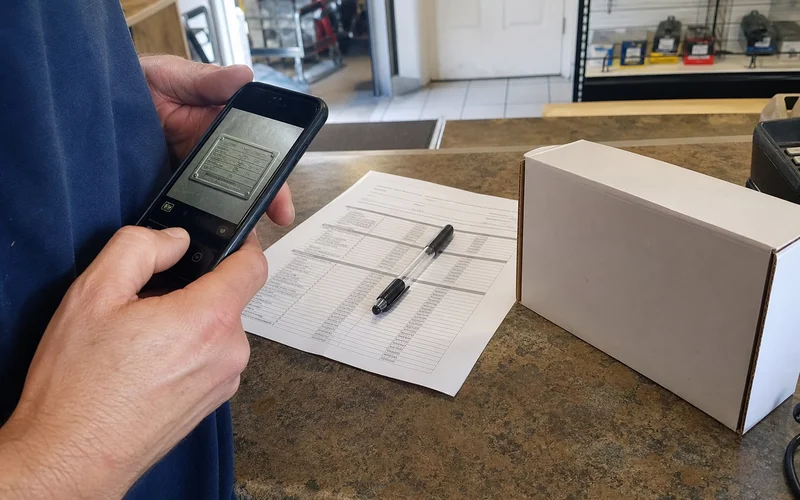
Photograph the data plate. Photograph the failed component, including any label on it. Bring or send both.
Model and serial together get you to the correct revision. Model alone frequently does not, because manufacturers change suppliers and specifications mid-run without changing the model name, and that is the single most common cause of wrong parts arriving.
If you would rather not deal with the identification or the installation, our commercial refrigeration repair technicians bring the part and fit it, then verify the system afterward.
Parts That Signal a Bigger Problem
Some replacements are routine. Others are a symptom, and swapping the part without addressing the cause guarantees a repeat visit.
A second contactor failure within a year usually means the compressor is drawing more current than it should, which points at the condenser, the charge, or the compressor itself.
Repeated evaporator fan motor failures often mean water is getting where it should not, typically from a blocked drain line or a defrost problem soaking the motor every cycle.
A compressor failure on a unit under ten years old is almost never spontaneous. Look at condenser condition, charge history, and whether the unit has been short-cycling.
Gaskets that fail quickly may mean the door is out of alignment or the closer is not pulling it fully shut, so the gasket is being crushed unevenly.
Ask why, not just what. A technician who replaces the part and explains what killed it is worth more than one who just replaces the part.
Building a Small Spares Kit
Most single-site operations should not stock parts, because the capital sits idle and a nearby counter serves the same purpose. Two exceptions are worth considering.
Door gaskets for your highest-traffic boxes, if the model is common enough to be a stocked item. A torn gasket on a Friday is otherwise a weekend of wasted energy and an iced coil.
One evaporator fan motor if you run several identical units, since a single spare covers all of them.
Ice machine water filter cartridges, which are the one genuine consumable on this list. They are replaced on a schedule rather than on failure, so a spare on the shelf is capital that gets used. Sizing and cartridge selection are covered in choosing the right water filter for your ice machine.
Beyond that, the better investment is knowing your supplier’s counter hours and having your equipment list on file with them.