
Authorization Is a Relationship, Not a Label
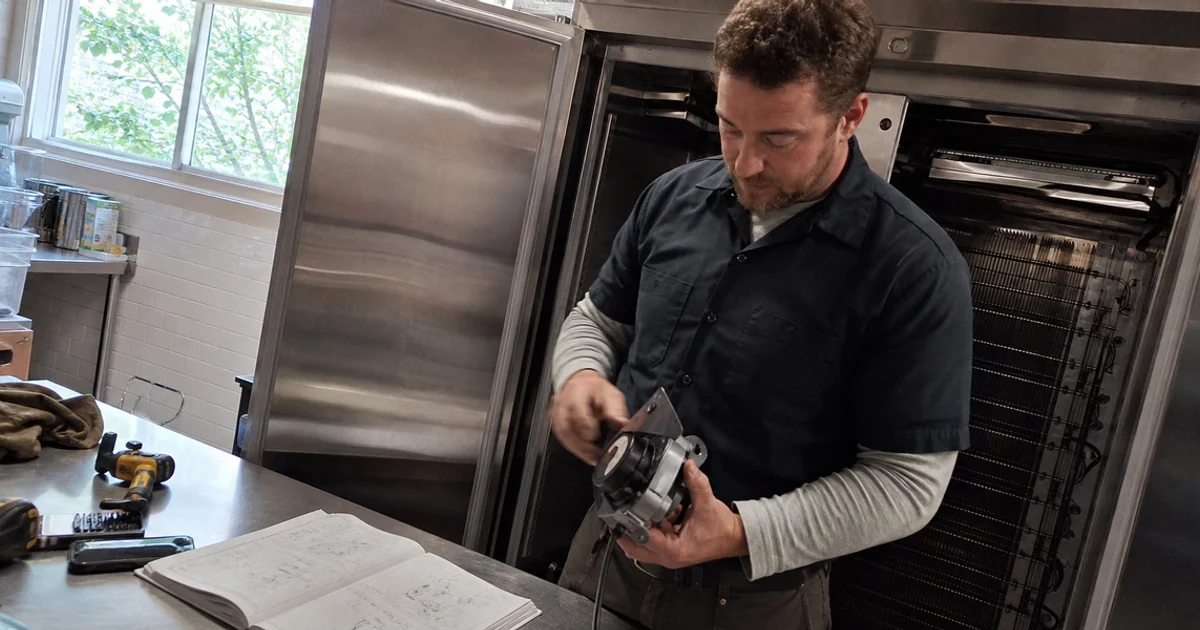
A factory-authorized service provider has an active relationship with a specific manufacturer. That relationship involves three concrete things.
Trained technicians. The manufacturer trains and certifies technicians on their equipment lines. Commercial refrigeration brands differ meaningfully in controls, defrost strategies, and service procedures, and manufacturer training covers the specifics rather than the general principles.
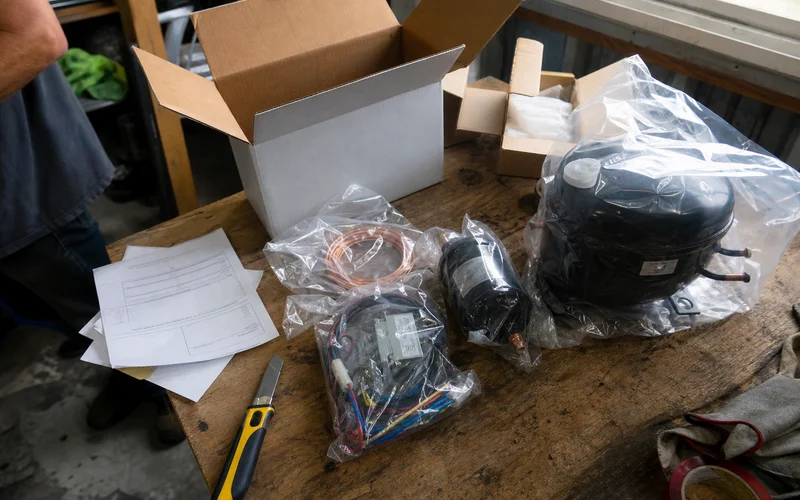
Parts channel access. Authorized servicers buy genuine OEM parts through the manufacturer’s channel, correct for your specific build rather than a close-enough substitute from a general supplier.
Claim system access. They can file warranty claims in the manufacturer’s system and know what documentation each one requires.
We hold that relationship with 18+ commercial brands, which is what our factory authorized warranty service is built on. The list is specific because authorization is per-brand: no company is authorized for everything.
Why It Matters Financially
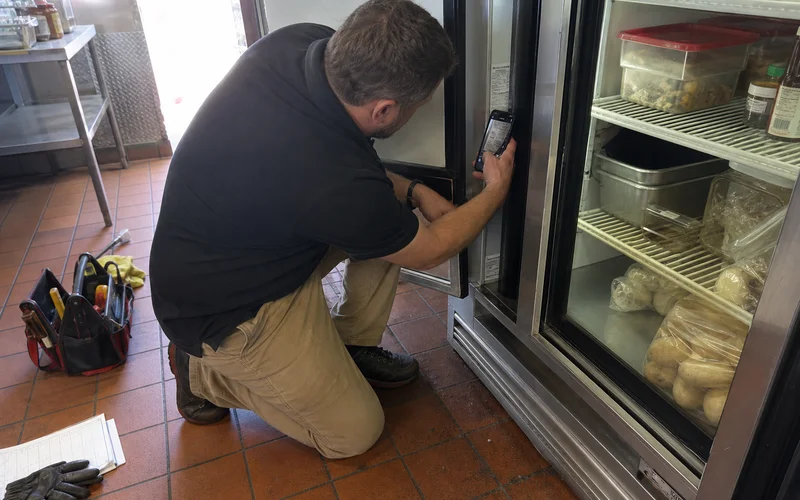
Commercial refrigeration warranties come with conditions, and the most common one is that covered repairs must be performed by an authorized servicer using genuine parts.
Here is how that goes wrong in practice. A unit under warranty develops a fault. The operator calls whoever answers fastest, or whoever is cheapest, and that company installs an aftermarket compressor. Eighteen months later a related component fails, the operator files a claim, and the manufacturer declines it on the grounds that non-authorized service and non-OEM parts were used.
The cost is not the declined claim alone. It is the remaining term on the unit, which is now worth substantially less than the paperwork suggests.
Authorized Versus General Repair
| Aspect | Authorized servicer | General repair company |
|---|---|---|
| Warranty claims | Can file directly | Cannot |
| Parts | Genuine OEM through the channel | Whatever is available |
| Technician training | Manufacturer certified on that brand | General refrigeration training |
| Coverage impact | Preserves it | May jeopardize it |
| Out-of-warranty work | Yes, standard rates | Yes |
| Diagnostic capability | Brand-specific procedures and documentation | General |
To be clear, general refrigeration companies can be excellent, and for out-of-warranty equipment the authorization question is largely irrelevant. It matters specifically when there is coverage to protect.
The five-minute step that prevents most disputes
Before anyone dispatches, send the model number, serial number, and purchase or install date from the data plate. An authorized servicer can verify coverage with the manufacturer and tell you what applies before work starts. It costs nothing and it removes the single most common source of billing arguments in this business.
What Genuine OEM Parts Actually Buy You
Correct specification for your particular build. Manufacturers revise components mid-production without changing the model designation, and a part that fits the model number is not always the part your unit was built with.
Traceability on the claim, which matters when the manufacturer is paying.
And warranty on the part itself, backed by the manufacturer rather than by a supplier’s return policy.
For out-of-warranty equipment on obsolete models, quality aftermarket parts can be a reasonable and sometimes necessary choice. That is a different conversation, and our guide on warranty versus out-of-warranty repair covers where the line sits.
What to Do With This
Find the data plates on your commercial refrigeration and write down make, model, serial, and install date for each unit. Most operators cannot answer the coverage question because nobody has ever collected that information.
Once you have it, verifying coverage takes one phone call, and you will know which of your equipment has protection worth protecting.
What Happens During a Warranty Call
Knowing the sequence removes most of the uncertainty operators feel about whether they will end up with a bill.
Coverage verified first. Model, serial, and purchase date go to the manufacturer before dispatch. We tell you what applies before anyone drives out.
Diagnosis on site. A certified technician determines the actual fault. This step is important because coverage applies to the component that failed, and assuming which one it is before diagnosis is how disputes start.
Parts sourced through the authorized channel. If the failed part is covered, it is ordered against the claim rather than bought and reimbursed.
Repair completed and documented. Photographs, readings, and the service narrative that the manufacturer requires.
Claim filed. We submit it. Manufacturers reject claims on documentation technicalities routinely, and handling that is part of the service rather than something you should be chasing.
If something falls outside coverage, gaskets, damage from a power event, a second unrelated fault, we tell you before doing that portion of the work.
Maintenance Records Are Part of the Warranty
Several manufacturers exclude failures attributable to inadequate maintenance, and that exclusion is enforced more often than operators expect.
A compressor that died because the condenser had not been cleaned in three years is, from the manufacturer’s perspective, a maintenance failure rather than a defect. Without records showing the equipment was serviced, that argument is difficult to win.
Which means documented maintenance is not just operationally sensible, it is what makes your coverage collectible. A maintenance agreement generates those records automatically.