
The Equipment You Cannot See From a Walkthrough
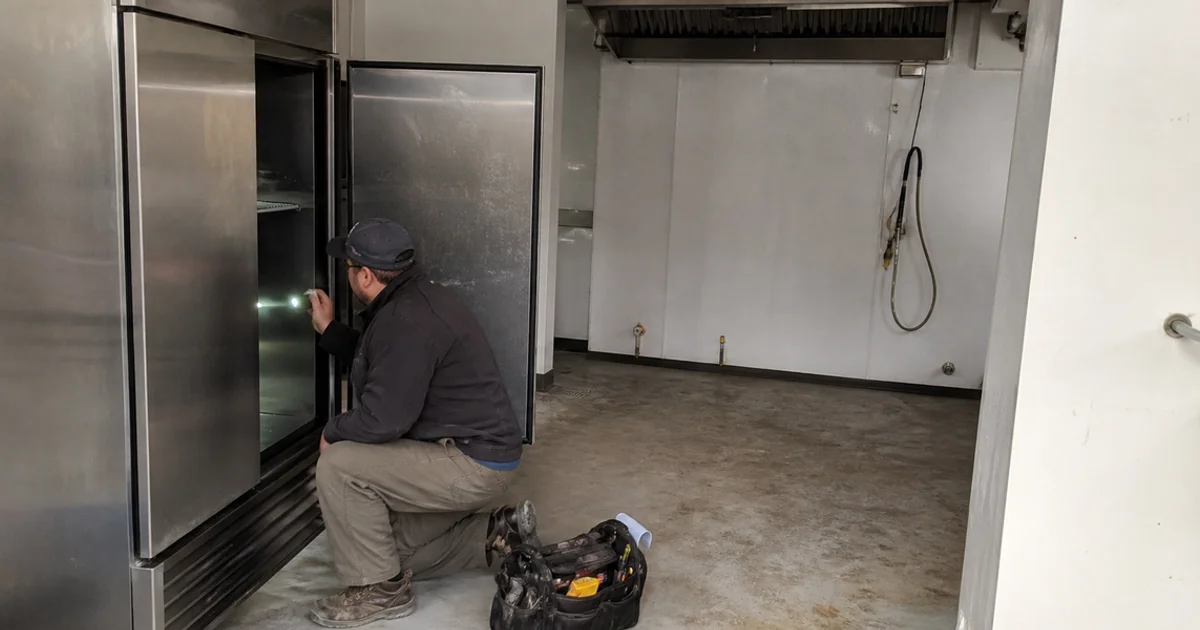
Touring a commercial kitchen tells you the layout, the finishes, and whether the hood looks clean. It tells you almost nothing about the refrigeration, which is frequently the single largest capital exposure in the space.
A walk-in that looks fine can have waterlogged panels. A reach-in that is cold today can have a compressor with six months left. A condensing unit running R-22 works perfectly until it develops a leak, at which point you discover what obsolete refrigerant costs.
None of that shows up on a tour. It shows up ninety days after you sign, which is why we run inspections as part of our refrigeration construction and installation work for restaurateurs and property managers evaluating a space.
What the Inspection Covers
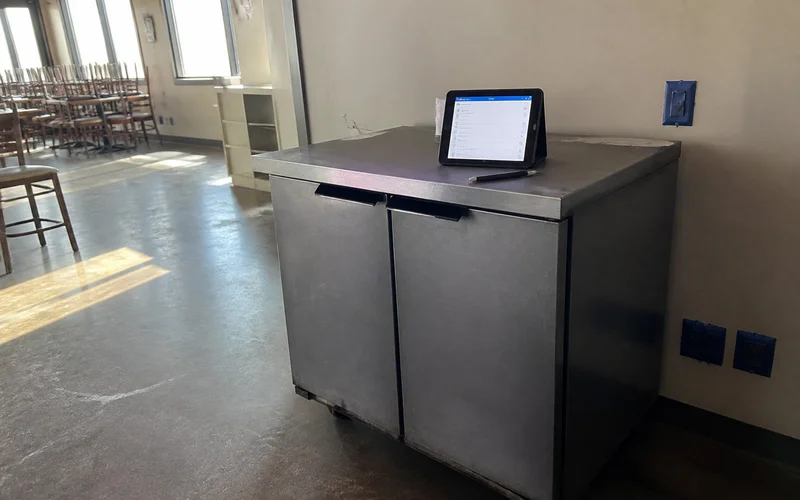
Equipment inventory and age. Every unit identified by make, model, serial, and build date from the data plate. Age is the foundation of every other judgment.
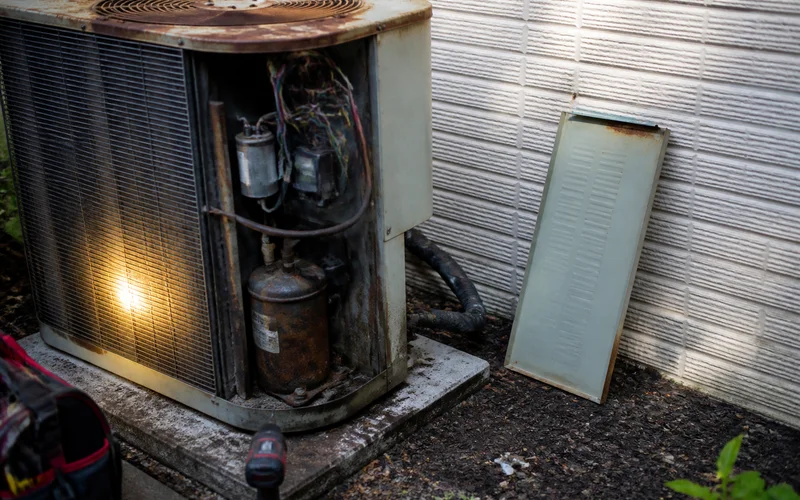
Refrigerant type and charge. What each system runs on, recorded per unit. R-22 and R-404A systems get flagged, because they carry a future cost that a modern system does not.
Operating condition. Temperatures verified against setpoint, run times observed, pressures checked where accessible, compressor and fan motor condition assessed, amperage draw compared against nameplate.
Walk-in envelope. Panel condition, joint integrity, evidence of moisture in the insulation, floor condition, door and frame square, gasket and closer condition. Panels are expensive and their condition is not obvious from inside a cold box.
Electrical. What the panel currently carries and whether it has headroom for what the incoming operator plans to add. This one derails more build-outs than any other single item.
Maintenance history. Service records if they exist, and if they do not, that absence is itself a finding.
Capacity versus intent. Is the existing refrigeration sized for the menu the new operator wants to run? Inheriting a box built for a cafe when you plan a full-service kitchen is a real problem.
Turning Findings Into Leverage
An inspection report is not just a risk list, it is a negotiating document.
| Finding | Typical negotiating use |
|---|---|
| Compressor near end of life | Rent reduction or landlord replacement before occupancy |
| R-22 system with leak history | Credit toward replacement, or replacement as a condition |
| Panels with moisture damage | Priced into the offer as a known capital item |
| Electrical service undersized | Landlord upgrade written into the lease |
| No maintenance history | Shorter inspection interval and a maintenance clause |
| Equipment undersized for menu | Budget reset before signing, not after |
The timing that matters
An inspection is worth the most before signing and almost nothing after. Once you hold the lease, findings become your problem instead of a negotiating point. Book it while you still have the option to walk away.
Who Should Get One
Restaurateurs taking over a space. Especially a space that has turned over more than once, which usually means equipment that has been patched by several different companies.
Property managers preparing to lease. Knowing what you are offering lets you price the space honestly and avoid disputes with an incoming tenant.
Buyers acquiring an operating restaurant. The equipment is part of what you are buying, and its condition belongs in the valuation.
Anyone inheriting equipment with no service records. Absence of documentation is a finding on its own.
Once you know what you are working with, the next question is usually what to keep and what to replace. Our guide on repair versus replace covers how to weigh age, refrigerant, and repair cost on the units the inspection flags.
What an Inspection Report Should Contain
A useful report is specific enough to act on and to negotiate with. Vague conclusions are not worth paying for.
Expect a per-unit inventory with make, model, serial, and estimated age. Observed operating condition against specification, including temperatures and run behaviour. Refrigerant type per system with obsolescence flagged. Walk-in envelope condition covering panels, joints, floor, door, and gaskets. Electrical capacity findings. An assessment of whether existing equipment suits the intended menu. And a prioritised list separating “needs attention before opening” from “budget within two years” from “monitor.”
That last prioritisation is what makes the report usable. A flat list of every imperfection tells you nothing about where the money has to go first.
The Cost of Skipping It
The failure pattern is consistent. A new operator signs, opens, and spends the first six months discovering equipment problems while cash is tightest and attention is elsewhere.
A compressor that fails in month three is not just a repair bill, it is a repair bill at the exact moment you have no reserve and no established supplier relationship. A walk-in that turns out to be undersized forces daily deliveries you did not budget for. An electrical panel with no headroom blocks the equipment addition your menu depends on.
None of those are unforeseeable. All of them are visible in an inspection.
If you are evaluating a space in the Portland Metro area, book the inspection while you still have the option to walk away or renegotiate.